Nonprofit Infrastructure Foundations: Starting with Microsoft
Before any server was configured, the project started with a question: what resources does a 501(c)(3) have access to, and how do we use them?
The Starting Question
Every project has a day-zero decision, and this one started not with code but with a question: what does a 501(c)(3) volunteer medical organization actually have access to, and how should we use it?
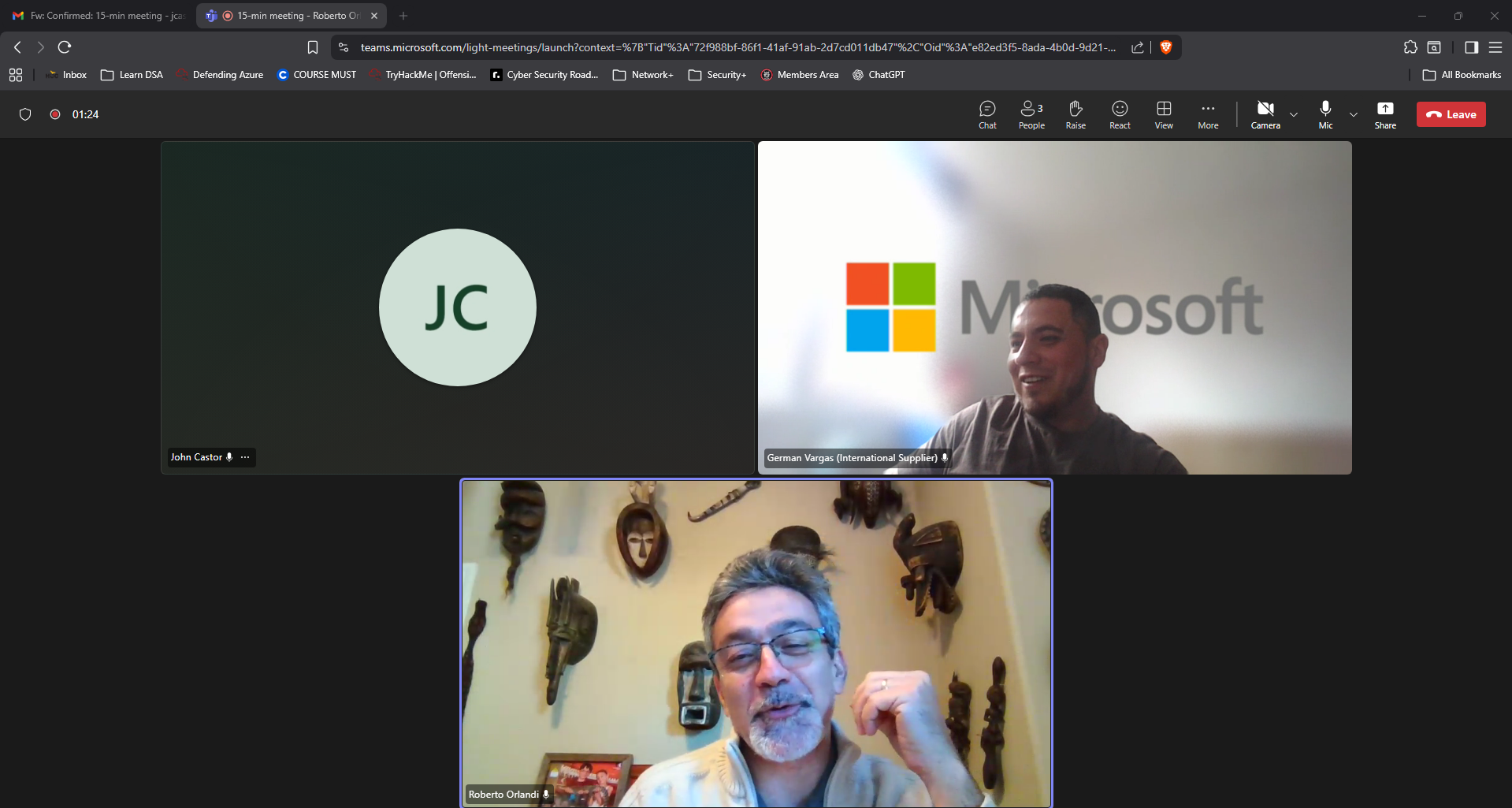
On December 9, 2025, the project began with a call with a Microsoft representative to explore exactly that. MMDM's nonprofit status opened access to Microsoft's nonprofit program: Azure credits, Microsoft 365 licensing, and Copilot access at no cost to the organization. The meeting was less about specific tools and more about understanding the landscape: what was available, what fit the mission's needs, and where the boundary between cloud convenience and clinical privacy risk would need to be drawn.
Cloud vs. Self-Hosted
The core tension that emerged early: a cloud-first approach would be simpler to stand up and easier to support remotely. But a clinical system that touches patient data, even in a volunteer mission context, has privacy considerations that change the architecture.
The final decision kept organizational tooling in the cloud (SharePoint for document management, Outlook for communications) and clinical data fully self-hosted, offline, and air-gapped during missions. The Microsoft consultation helped frame that boundary. It clarified what nonprofit licensing could provide and what would need to be built in-house.
That question, cloud or self-hosted, is one every small clinical organization will face. For MMDM, the answer was: both, deliberately partitioned.