The Hardware Arrives: TP-Link, Lenovo, and the First Real Test
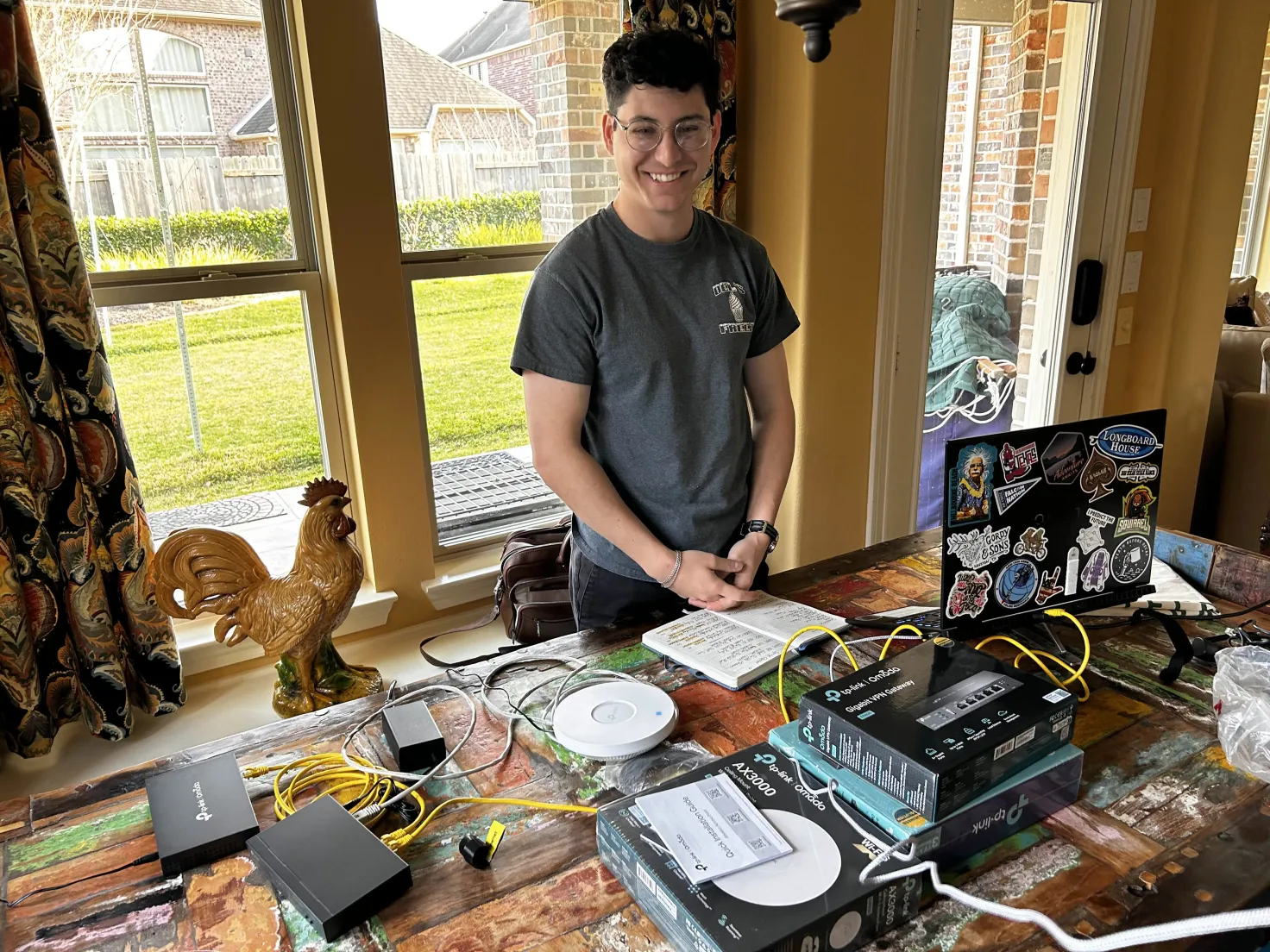
The Bill of Materials was approved. The boxes arrived. The first time all the hardware was in one place and connected: a TP-Link Omada network talking to a Windows XAMPP setup that would soon be replaced.
The Bill of Materials
Before the hardware could be ordered, it needed board approval. In January 2026, the Bill of Materials was presented to MMDM leadership: TP-Link Omada networking gear, Lenovo IdeaTabs for each clinical station, and supporting infrastructure. The board approved the procurement.
What Arrived
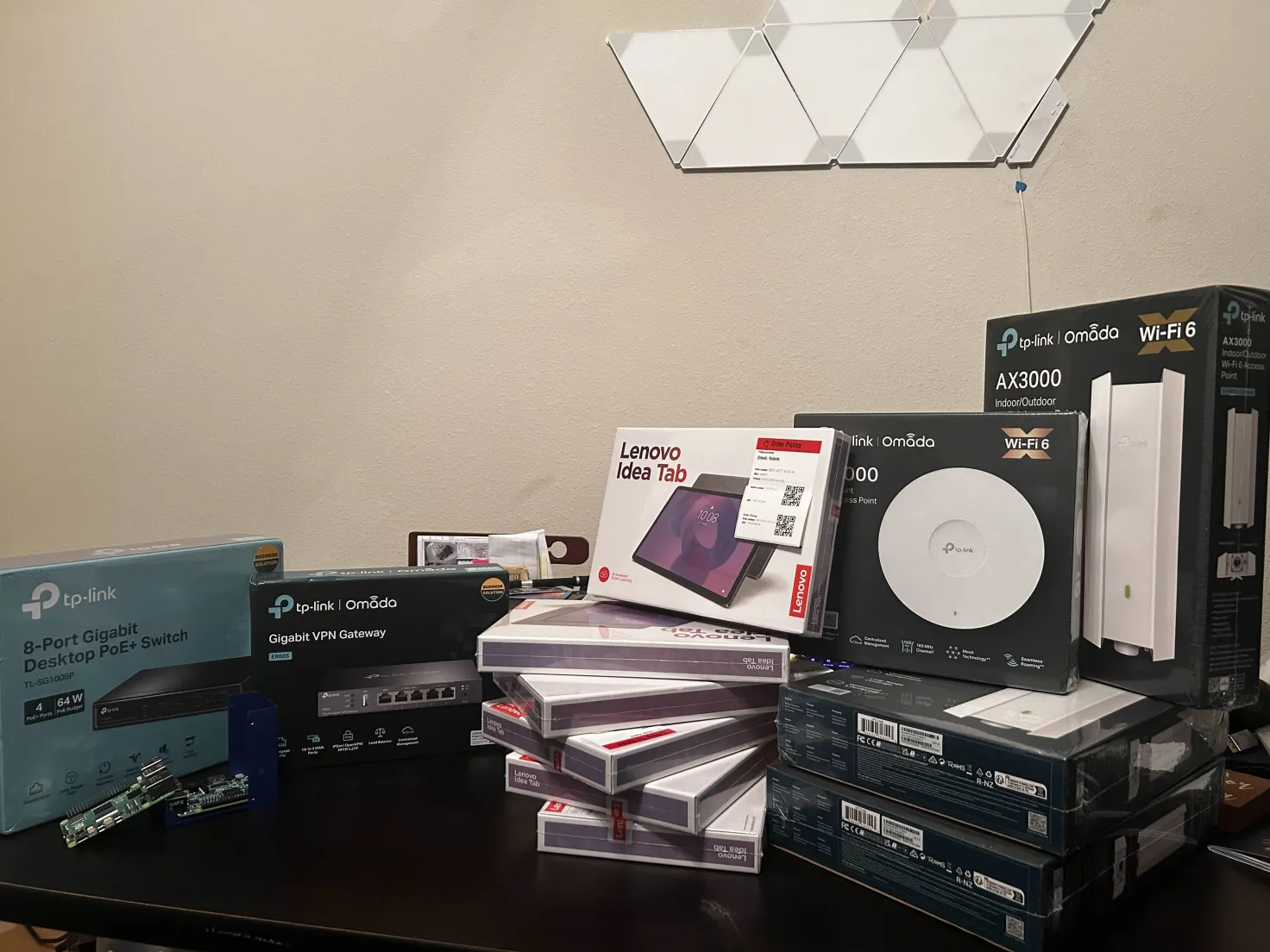
Between January 15 and 17, the shipments came in:
- TP-Link 8-port PoE+ switch: the network backbone for the clinic
- Gigabit VPN gateway: for secure remote management and future site-to-site connectivity
- Wi-Fi 6 AX3000 access points, indoor and outdoor models: for fixed-station and courtyard coverage
- Lenovo IdeaTabs, one per clinical station: the workstations the station leads would use during the mission
For the first time, all of the hardware was in one place and connected.
The First Real Test
Initial connectivity tests ran against the existing Windows/XAMPP OpenEMR setup, the same installation that would be replaced by the Linux migration six weeks later. The goal was not to validate the final architecture but to confirm that the network hardware performed as specified: that the tablets reached the server, that the access points covered the expected area, that the switch handled the load.
They did. The network held. The XAMPP setup was the weak link, not the hardware: a finding that accelerated the migration decision.